

Recently, the China Household Electrical Appliances Association, together with several domestic authoritative research institutions, jointly released the “2026 China Home Appliance Consumption Trend White Paper”. This research report, covering 12,000 consumer samples in 30 provinces and cities across the country and 50 leading home appliance enterprises, clearly points out that with the continuous efforts of the national consumer goods trade-in policy and the in-depth advancement of the “Artificial Intelligence +” initiative, artificial intelligence and green low-carbon have become the two core driving forces for the high-quality development of China’s home appliance industry. This marks that China’s home appliance consumption has officially bid farewell to the primary stage of “meeting basic needs” and fully entered a new stage of “pursuing quality experience” and “upgrading scene renewal”. The trend of the industry’s development from “scale expansion” to “quality improvement” has become increasingly obvious.
Detailed data in the white paper shows that the concept of green low-carbon has been deeply penetrated into all scenarios of home appliance consumption and has become one of the core considerations for consumers when purchasing home appliances. In 2025, the number of first-class energy efficiency or water efficiency home appliance products purchased by consumers increased by 20% compared with the previous year. Among them, the sales volume of first-class energy efficiency air conditioners, refrigerators and washing machines accounted for 65%, 58% and 52% respectively, an increase of 18, 15 and 13 percentage points compared with 2023. Up to now, since the implementation of the national “trade-in” policy, it has driven the replacement of more than 120 million home appliances, forming an annual energy saving of more than 69 million tons of standard coal and reducing carbon emissions by more than 170 million tons, equivalent to planting nearly 930 million trees. It has effectively opened up a virtuous cycle of “consumption renewal – industrial upgrading – circular development”, accelerated the orderly withdrawal of old and inefficient home appliances from the market, and promoted the sinking of green and intelligent home appliances to the rural market, narrowing the gap in home appliance consumption between urban and rural areas. In addition, the white paper also points out that the construction of the green supply chain in the home appliance industry achieved remarkable results in 2025. More than 70% of leading home appliance enterprises have established green production systems, realizing low-carbon emission reduction in the production link by adopting environmentally friendly materials and optimizing production processes, further promoting the green transformation of the industry.
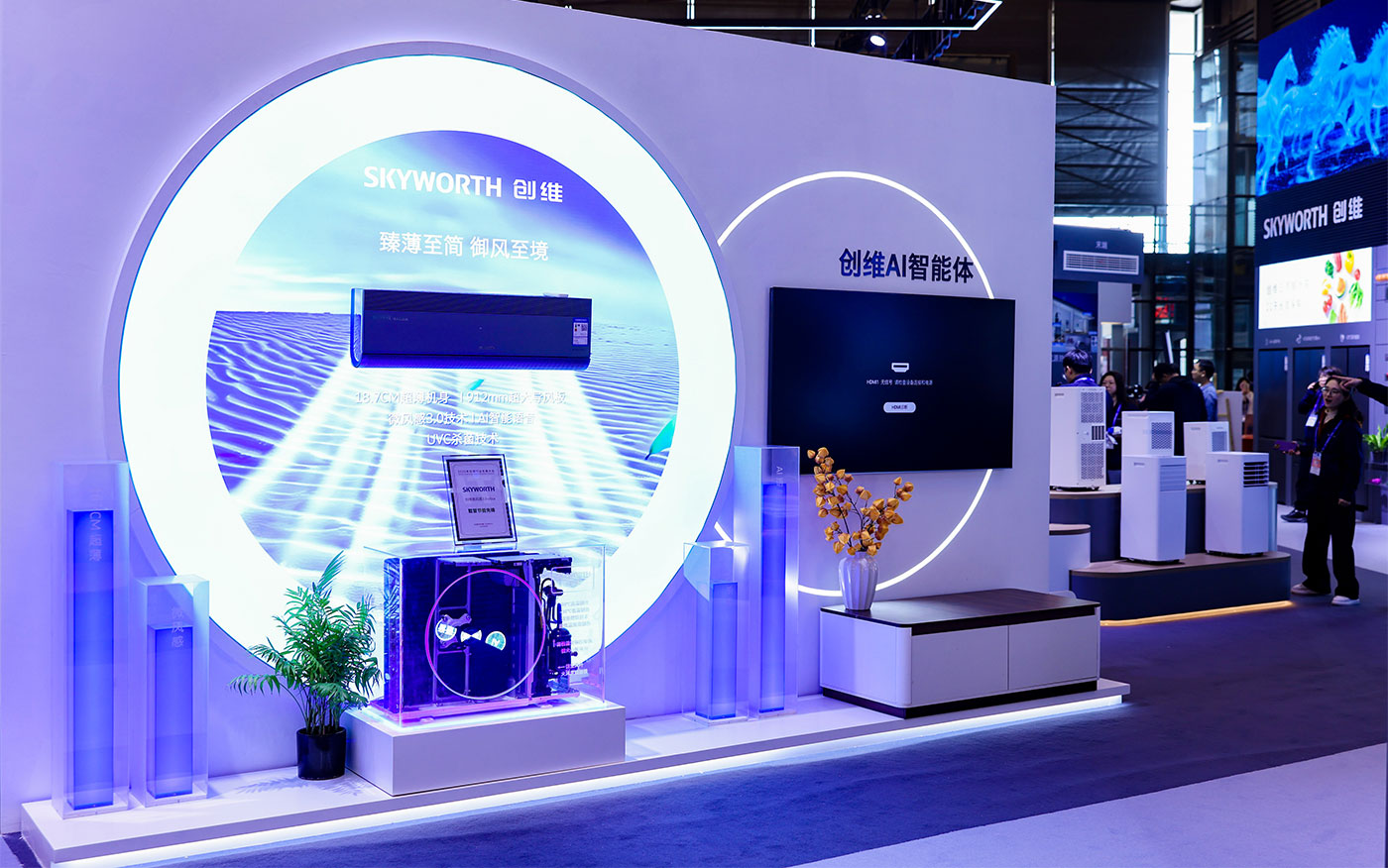
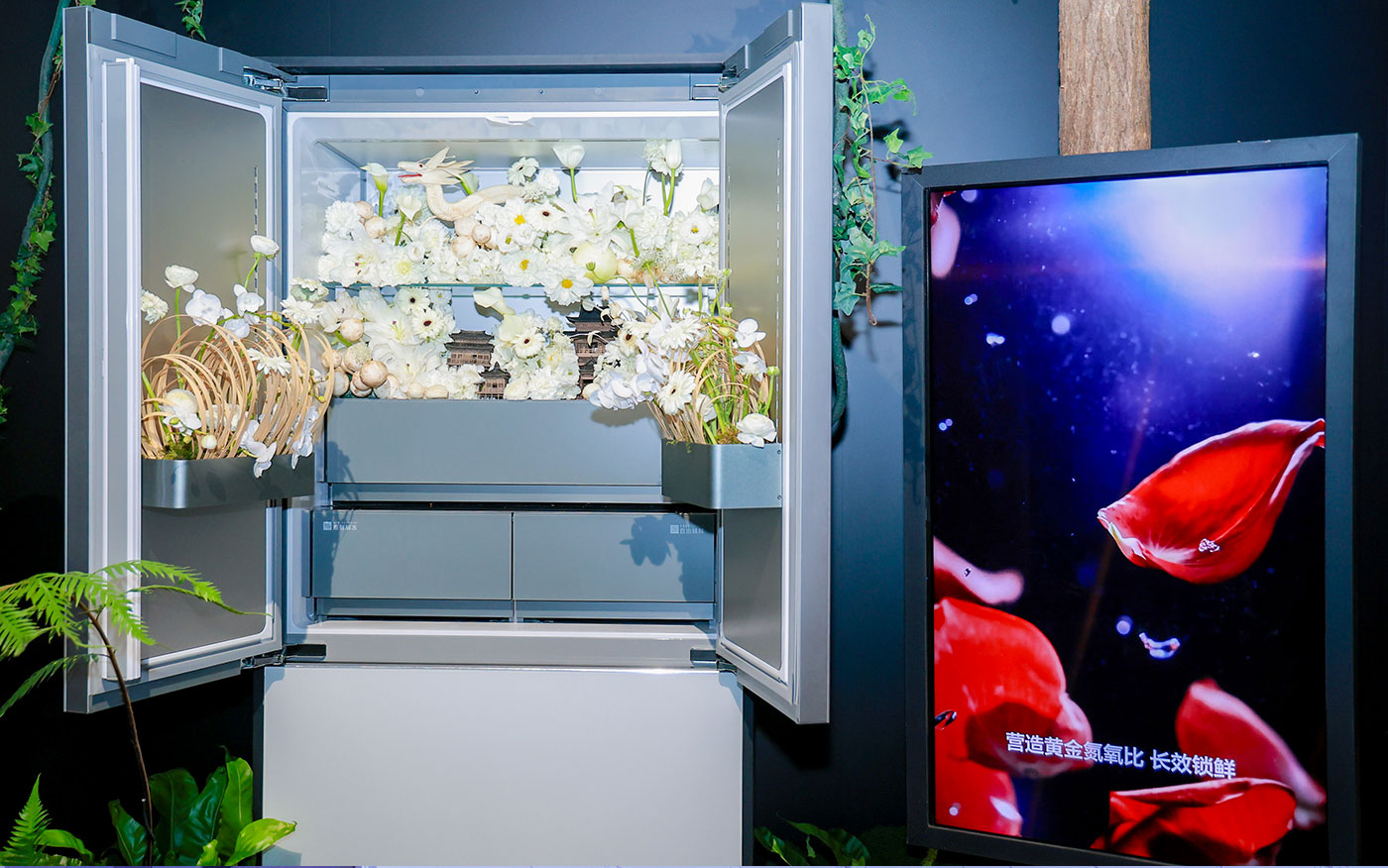
In terms of AI empowerment, the home appliance industry is accelerating the paradigm shift from “passive response” to “active intelligence”. AI technology has evolved from simple function superposition to full-scene intelligent adaptation. At present, mainstream home appliance enterprises have continuously increased investment in AI technology research and development, with the average R&D investment accounting for 5.8%, an increase of 1.2 percentage points compared with 2024. They have launched intelligent home appliance products with autonomous perception, intelligent decision-making and scene linkage functions, covering core categories such as refrigerators, air conditioners, washing machines and water heaters. For example, intelligent refrigerators equipped with AI algorithms can accurately identify the type and freshness of ingredients through built-in cameras, automatically generate cooking suggestions and ingredient consumption reminders, solving the pain point of consumers “forgetting to eat ingredients and wasting ingredients”; AI intelligent air conditioners can real-time monitor human position and body temperature through human body induction technology, automatically adjust wind speed and temperature, realizing “wind comes when people come, wind stops when people leave”. At the same time, combined with indoor air quality monitoring, they can automatically turn on the purification mode, taking into account comfort and health; intelligent washing machines can automatically match washing programs, water temperature and speed through AI fabric identification technology, avoiding clothing damage and greatly improving user experience. In addition, AI technology has also promoted cross-category linkage of home appliances, building a smart home ecosystem, allowing consumers to achieve the convenient life of “controlling the whole house with one sentence”.
Xu Dongsheng, Vice Chairman of the China Household Electrical Appliances Association, said at the press conference for the release of the white paper that in the future, the home appliance industry will take technological innovation as the engine, green development as the mission, and user demand as the guide, and continuously promote product iteration, scene innovation and ecological improvement. He pointed out that with the continuous advancement of consumption upgrading, consumers’ demand for home appliances has changed from “usable” to “easy to use, intelligent and environmentally friendly”. Enterprises need to focus on core technology research and development, accelerate the in-depth integration of AI and home appliance products, and at the same time continue to promote green production and green consumption, promoting the full-chain low-carbon development of the home appliance industry. Xu Dongsheng also mentioned that the association will further play the role of a bridge and link, promote enterprises to strengthen industry-university-research cooperation, overcome core technical bottlenecks, standardize the order of industry development, bring smarter, low-carbon and better home appliance products to thousands of households, help the home appliance industry achieve high-quality and sustainable development, and promote China’s transformation from a major home appliance country to a strong home appliance country.
Post time: Apr-17-2026


