

How Can TV Distributors Build a Profitable LED TV Spare Parts Portfolio? A Sourcing Guide to LED TV Mainboards and Backlight Strips
A distributor that sells only finished televisions works on somebody else’s terms. The panel price sets the floor, the brand sets the retail price, and the sale ends the moment the carton leaves the truck. Parts run the opposite way. Every set installed in a district will eventually come back to a repair bench, and the shop that fixes it needs a board, a light source or a power supply that fits. Whoever already has those on the shelf gets the call.
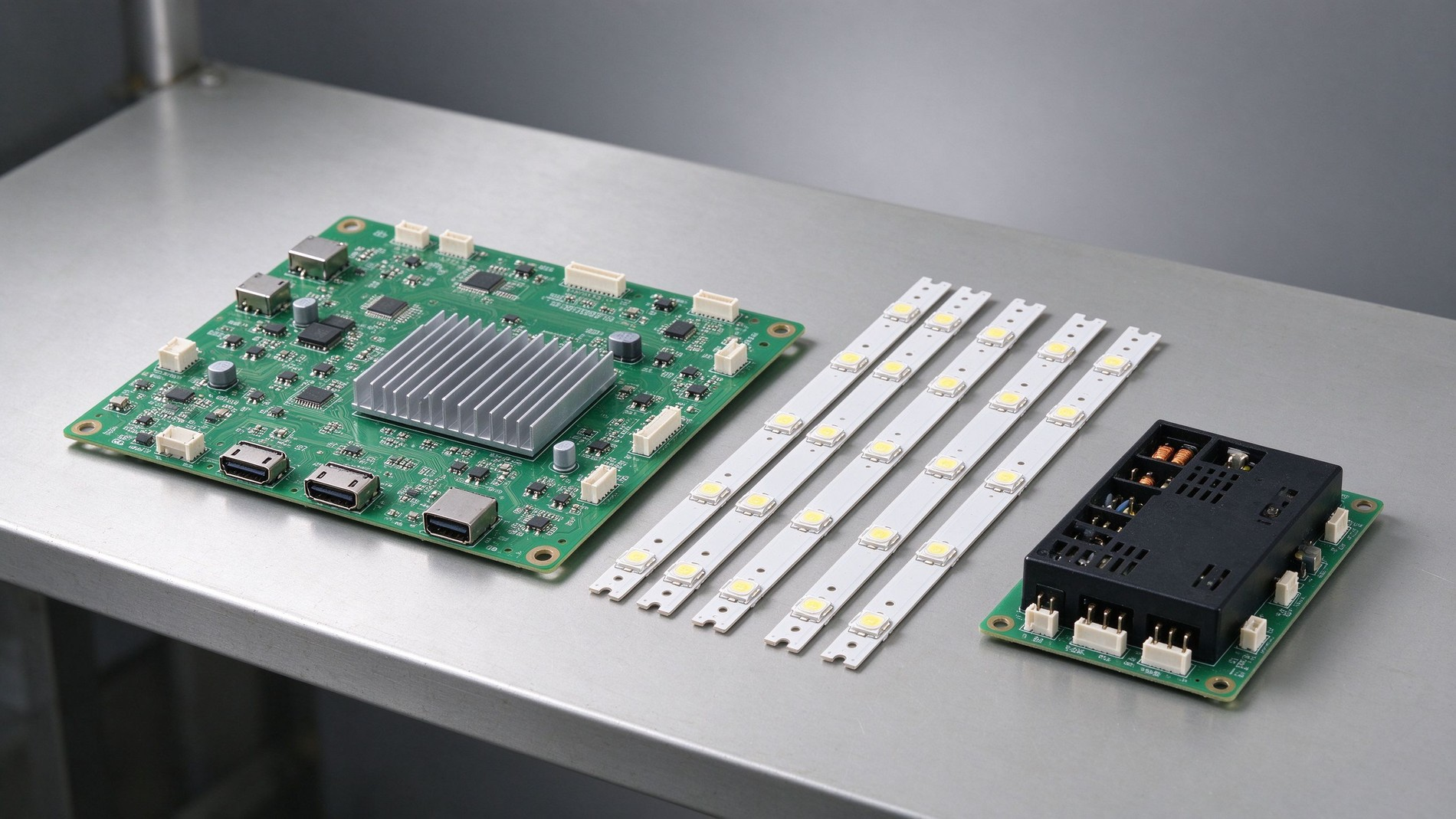
Figure 1: The three parts that keep a repair shop running — a TV mainboard, a set of LED backlight strips and a power module (illustration)
Why a parts catalogue earns more than the box
This is not about selling more units. A 40-foot container of televisions carries a panel’s worth of capital risk, a brand’s worth of price pressure and a freight bill that leaves very little room to move. A carton of boards and strips carries none of that. The repair trade buys small, buys often and pays on delivery, and it does not compare your quote against a hypermarket promotion.
The demand is also predictable. Repairs cluster around a handful of symptoms: sound but no picture, no power at all, a dead HDMI port, no signal on any input. Each symptom points at one component, and each component is a stock item rather than a service visit. That is the whole economic argument — you are not selling a product, you are selling the shortest path back to a working set.
The three parts that decide whether a repair succeeds
An LED TV mainboard is the part most often blamed and least often understood. Two boards can look identical and behave completely differently because of the panel parameter set burned into the firmware. A board written for a 1920×1080 panel will not drive a 1366×768 panel, and no amount of cable swapping fixes that. Before you buy, ask for the panel list the board supports, the resolution it is flashed for, the connector pinout and the flashing method. A supplier who cannot send that sheet is selling you a lottery ticket.
LED TV backlight strips fail in a way that looks like a board failure. One LED opens, the whole string goes dark, the set keeps its sound and loses its picture. Because panels differ in length, LED count and connector, strips are the longest tail in any parts catalogue, and the reason universal strips exist at all. Confirm LED pitch, string voltage and current, connector type and whether the strip is lensed or flat before you commit to depth.
Then there is the power module. It is the cheapest item in the kit and the one that stops everything when it fails. Output rails, wattage headroom, thermal design and the mechanical envelope matter more than the price printed on the carton, because a module that runs hot will come back inside the warranty window and take your margin with it.
What to verify before the first pallet
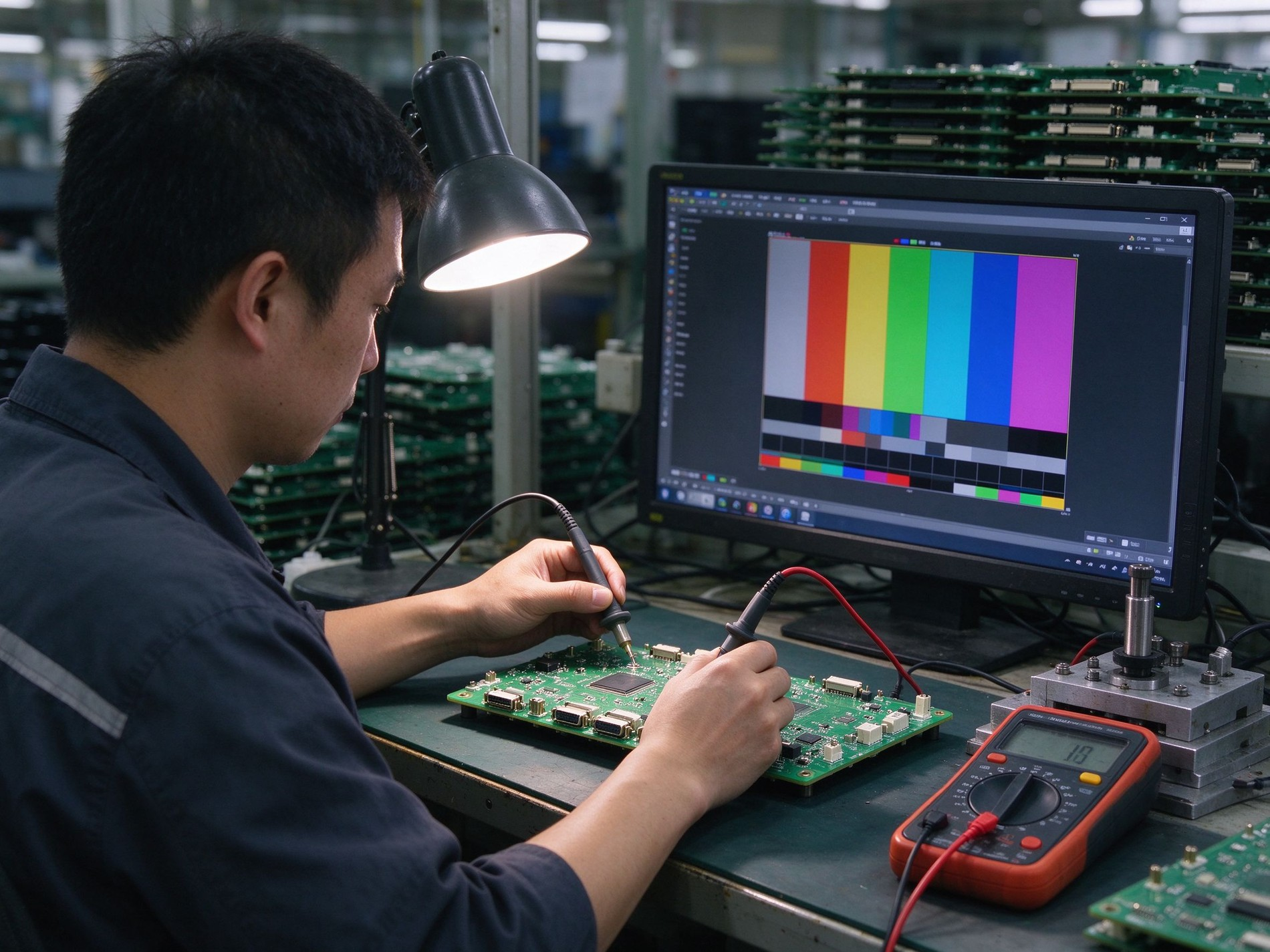
Figure 2: Power-on testing and panel-parameter verification before packing (illustration)
Ask for the model coverage list, then test three of your own panels against it. Ask what changes between batches: the same bill of materials, the same LED bin, the same firmware version, or whatever the line had that week. Ask for the burn-in record. A factory that tests before packing can show you a log; one that does not will describe its process in adjectives. Look at the packing, because a carton that survives a warehouse does not necessarily survive air freight. And ask for the historical claim rate rather than the warranty wording — a three-month claim rate tells you more about a supplier than any certificate on the wall.
Stock structure: fast movers, long tail and kits
Most repair volume sits on a small number of models. Put depth there and keep it there, because a stockout on a fast mover costs you a customer, not just a sale. Cover the tail with universal parts instead of twenty near-identical SKUs that all age on the shelf. Then look at kits: a TV SKD bundles panel, board, strips, power supply, remote and stand into a single order, which turns a parts buyer into a set builder and lifts the average order value without recruiting a new account.
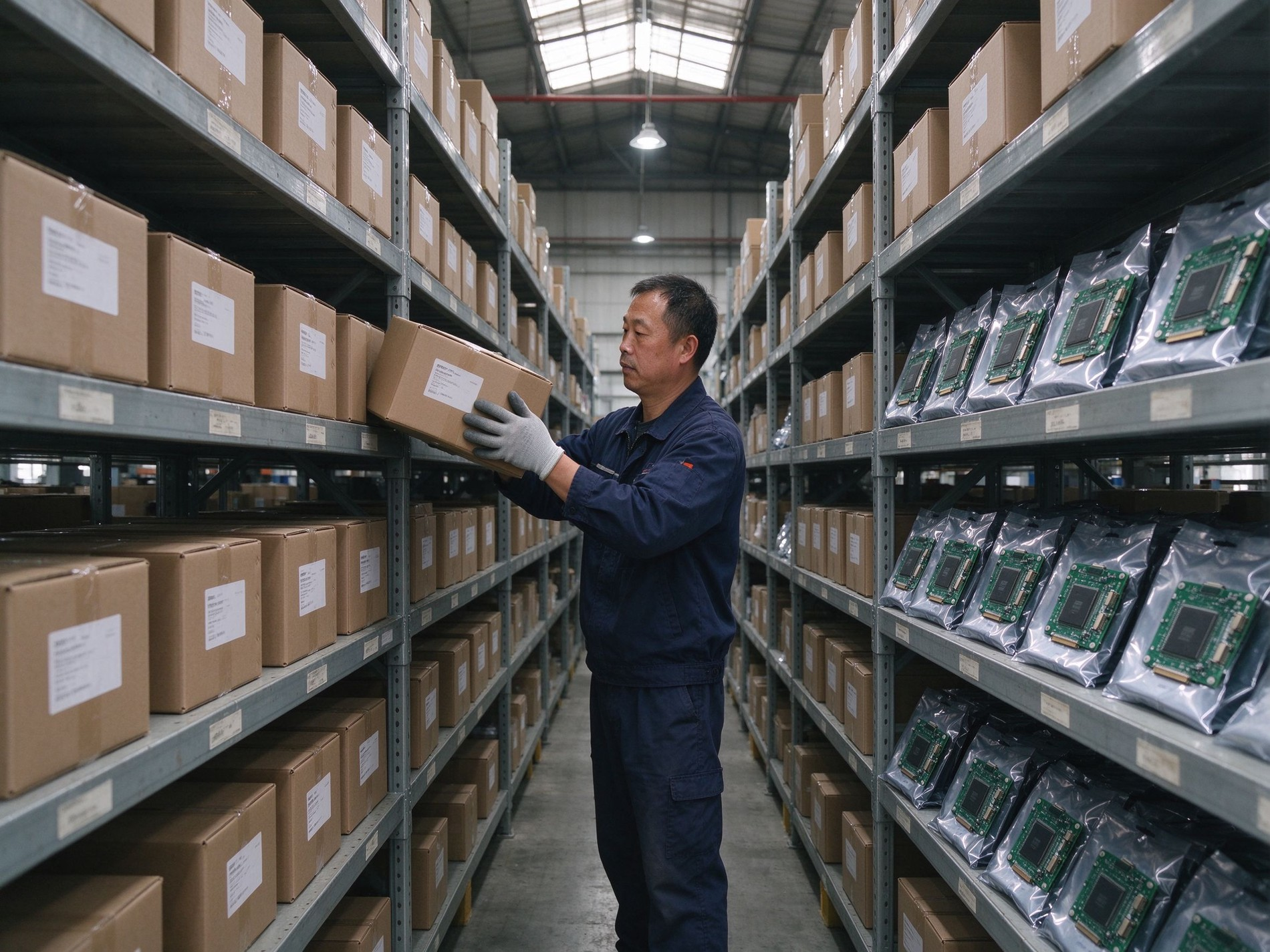
Figure 3: A parts portfolio is a stock decision before it is a sales decision (illustration)
Four mistakes that eat the margin
Buying on unit price alone is the first, and it usually ends with a claim rate that wipes out the saving. The second is treating one board as a universal answer for every panel size in your market. The third is skipping the firmware question, which produces returns you cannot diagnose and cannot argue. The fourth is packing: a strip that arrives bent or a board that arrives without an ESD bag is a full refund plus freight, and no purchase discount covers that twice.
Where to start
Begin with a sample order of three to five SKUs, fitted to panels you actually service, and run them for ninety days before you talk about an annual frame. If the numbers hold, the next step is a dealer arrangement with agreed model coverage, packaging and claim handling — the dealer program is the usual entry point. Sichuan Junhengtai Electronic and Electric Appliance Co., Ltd. has been building TV and home appliance accessories in Chengdu since 2005, ships to more than 30 countries, and reports annual export sales of about USD 60 million across 500-plus customers.
Post time: Nov-16-2026


