

Screen Size Sets the Frame, Not the Part
Edge-lit designs run the LED TV backlight strips along the frame of the set; direct-lit designs lay them in rows behind the diffuser. The two want different parts at the same diagonal. A 55-inch edge-lit model may take three strips of 850 mm, while a 50-inch direct-lit model takes eight of 480 mm — the larger screen uses the shorter part. A counter that orders by size gets it wrong twice, on length and on quantity.
Panel batches add a second layer. Two 43-inch sets released a year apart can carry different strips because the panel supplier changed while the model name stayed the same. The dependable reference is the original code printed on the strip just removed, or a sharp photograph of the strip with its connector visible.
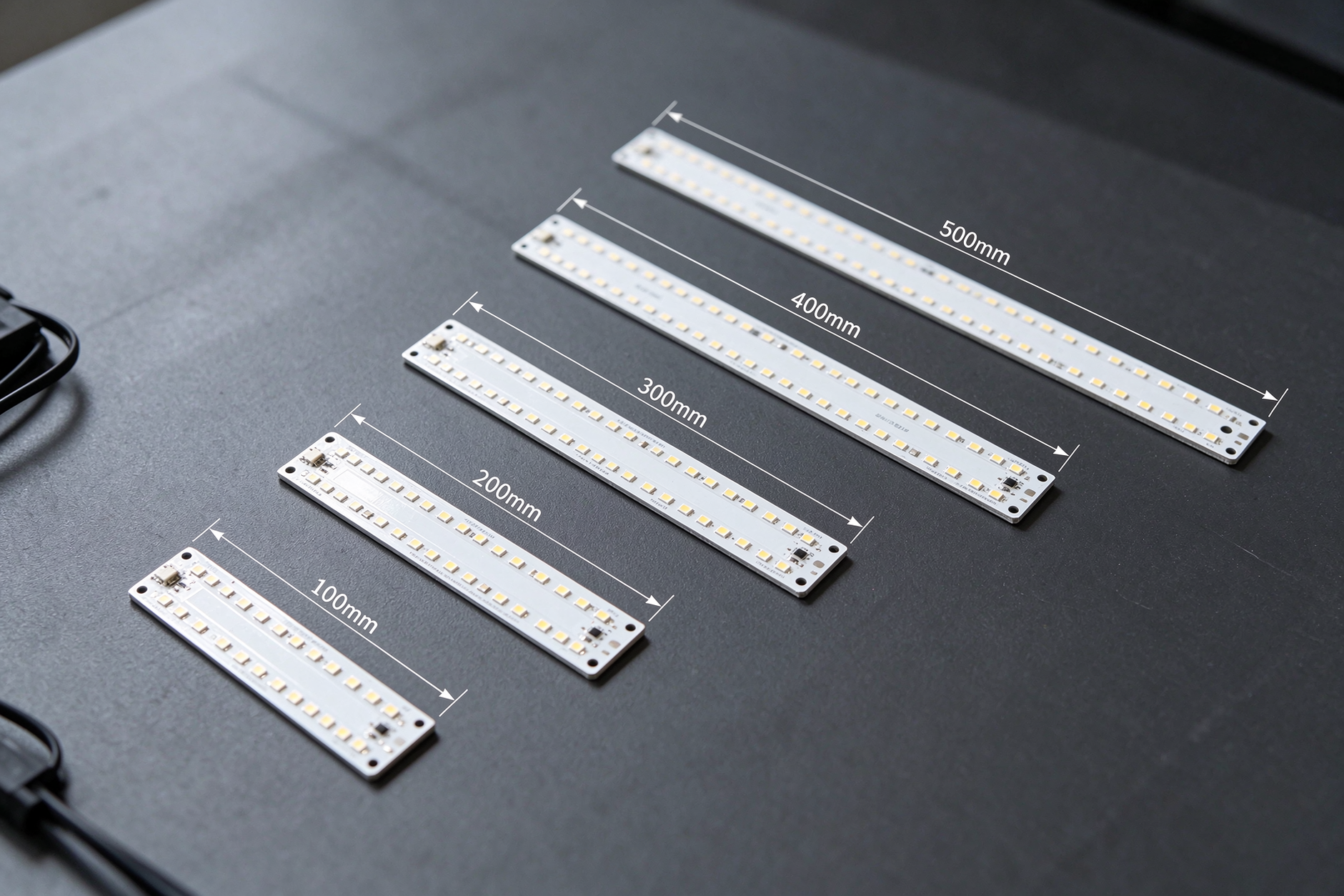
Figure 1. Strip length scales with the diagonal, but length alone never defines a valid replacement part.
A Working Size-to-Spec Reference
The table compresses a production catalogue of LED TV backlight strips into five lines. Use it as a starting point, and check every row against the code on the strip in your hand.
Table 1. Reference figures from the JHT catalogue. Confirm each line against the original code before ordering.
|
Screen size |
Strip length |
Rated voltage |
Pieces per set |
Reference model |
|
32 in |
564 mm |
3V1W |
3 |
JHT099 |
|
40 in |
745 mm |
6V2W |
2 |
JHT101 |
|
43 in |
800 mm |
3V1W |
3 |
JHT096 |
|
50 in |
480 mm |
6V2W |
8 |
JHT130 |
|
55 in |
850 mm |
3V2W |
3 |
JHT087 |
Two numbers there carry more weight than the rest. A strip listed at 592 mm will not seat in a slot built for 800 mm, and pressing it in leaves a dark band at the joint. Voltage is the harder limit: a 6V2W strip on a 3V1W driver burns out within days, usually after the set has gone back to the customer.
Four Checks Before the Order Goes Out
Voltage comes first. 3V1W, 3V2W and 6V2W cover most panels still in service; read the marking on the old strip, match it, then confirm the driver output current.
Set composition comes next. Most sets take two to eight backlight strips, and left and right halves often differ, marked A and B. A single strip quoted for a set that needs three leaves the job half finished.
Length and connector position come third. Measure the mounting slot, not the old strip, which may have warped or been cut by an earlier repair. Confirm where the lead exits and which side the connector faces.
LED count and package come last. The 5630 and 7030 packages differ in output per LED, so mixing them across one set shows up as a bright band at the seam.
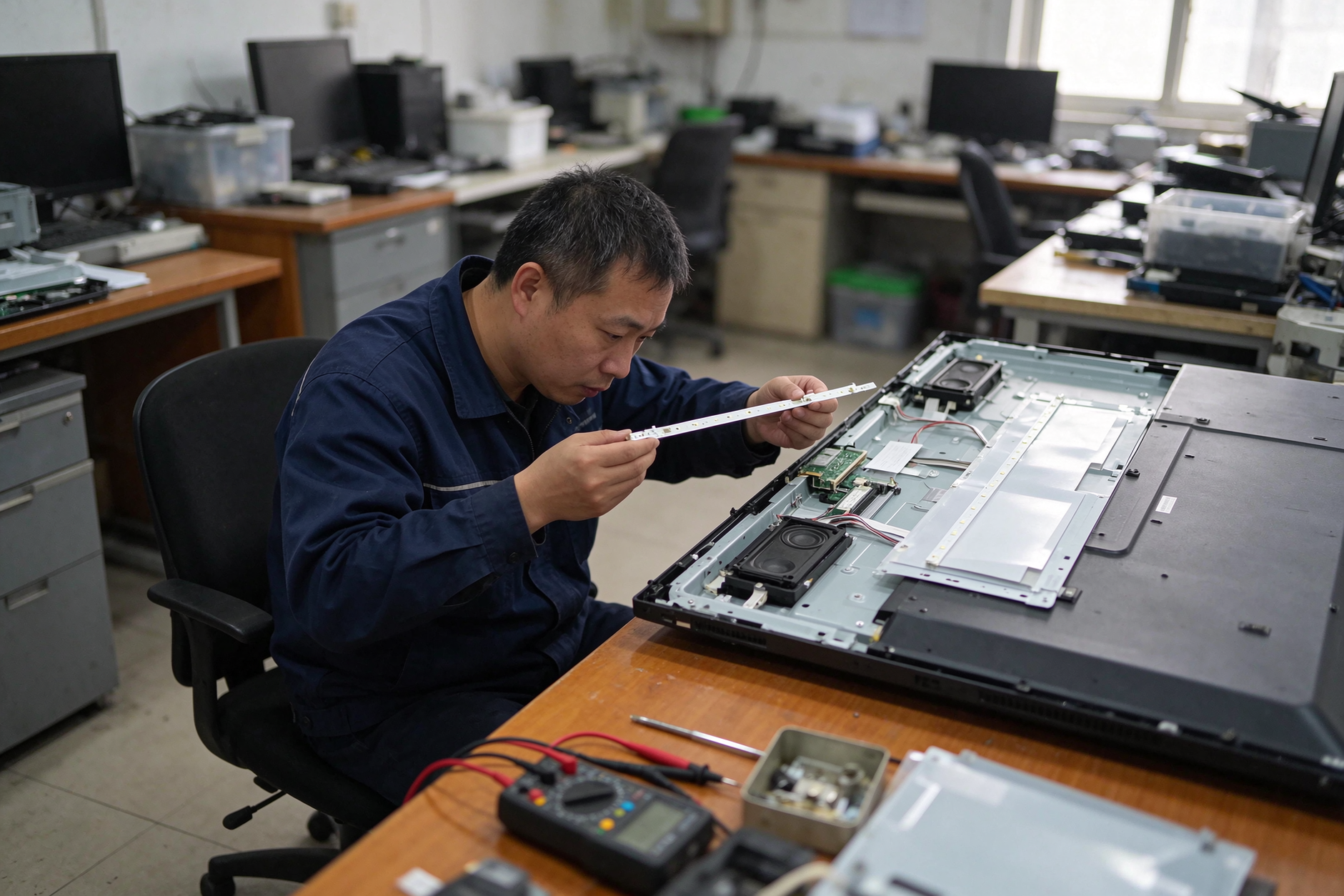
Figure 2. Matching begins with the code on the old strip and the measured slot, not with the printed diagonal.
Verifying the Match on the Bench
Power the module before the diffuser goes back on. With the room lights off, walk the frame and look for dark corners, a bright patch near a joint, and flicker at low brightness. Leave it running for thirty minutes, then feel the backlight strip: warm is normal, hot means the aluminum substrate is not seated flat or the thermal paste was skipped.
Write the result on the job sheet. A shop that records the code, the voltage and the piece count can reorder the same part two years later without reopening the set.
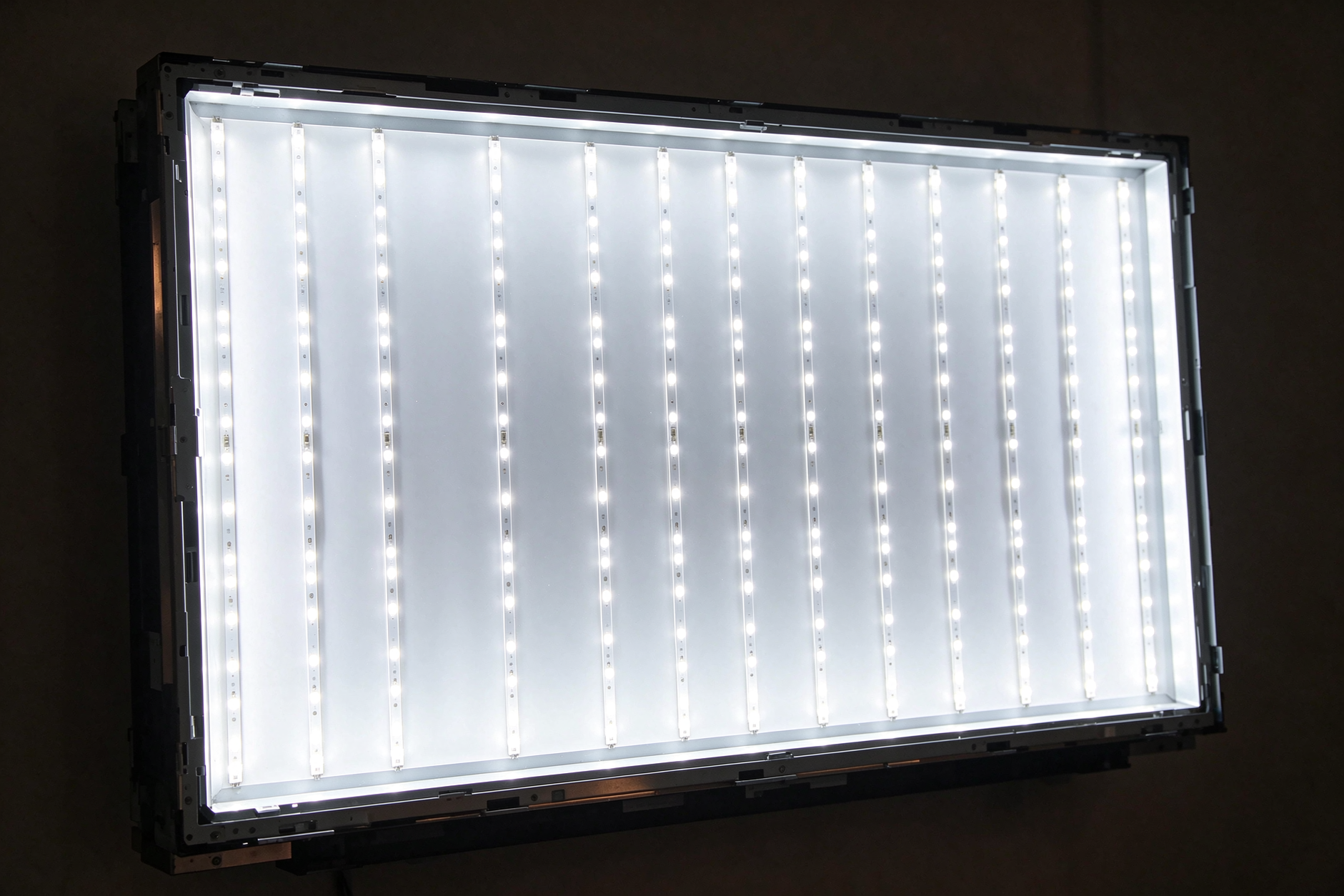 Figure 3. Even illumination across the frame confirms the strips distribute light the way the panel expects.
The Cost of a Near Match
A 6V2W backlight strip runs hotter than a 3V1W strip of the same length. Swapping one for the other lifts output by about 20%, which sounds like an upgrade until the driver cannot hold constant current and the strips dim at their ends. On direct-lit sets a profile a millimetre too tall reads as a shadow line across the whole picture.
A near match passes the first test and fails in the third month, by which point the labour has been paid for twice.
Buying a Match Instead of a Part
Few repair businesses can stock every variant they meet. The workable arrangement is a supplier who lists parts by TV model and original code, ships a small test lot before a bulk order, and answers technical questions in writing.
Junhengtai (JHT) has manufactured LED TV backlight strips in Chengdu since 2005 and exports to more than 30 countries, with annual export sales of roughly USD 60 million and over 500 customer cases on record. Its after-sales team answers a confirmed technical question within six hours and backs accessories with a one-year warranty. Parts are listed by size and original code in the backlight strips category; the 2026 panel selection guide and the replacement buyer’s guide go through the checks in more detail.
Start with the strip in your hand: read the code, measure the slot, count the pieces. The diagonal says which page of the catalogue to open. The code says which line to order.
Choosing LED TV backlight strips by size is a shortcut that works often enough to tempt and fails often enough to cost. Match the code, confirm the electrical rating, order the full set, and verify the result on the bench while the panel is still off.
Post time: Nov-21-2026


