

A microwave oven that powers on but never heats, that flickers its display, or that trips the breaker the moment the door latches usually has one thing in common: the control board has failed. The transformer and the magnetron are often still good; the board that tells them when to fire is not. For a repair shop or a spare-parts dealer, fitting a microwave oven PCB board is the cheapest route back to a working unit — one board instead of a whole oven. It is only cheap when the board is the right board. Fit a poor one and you will be back at the same bench in three months, sometimes with a burnt magnetron and a bill twice the siz. 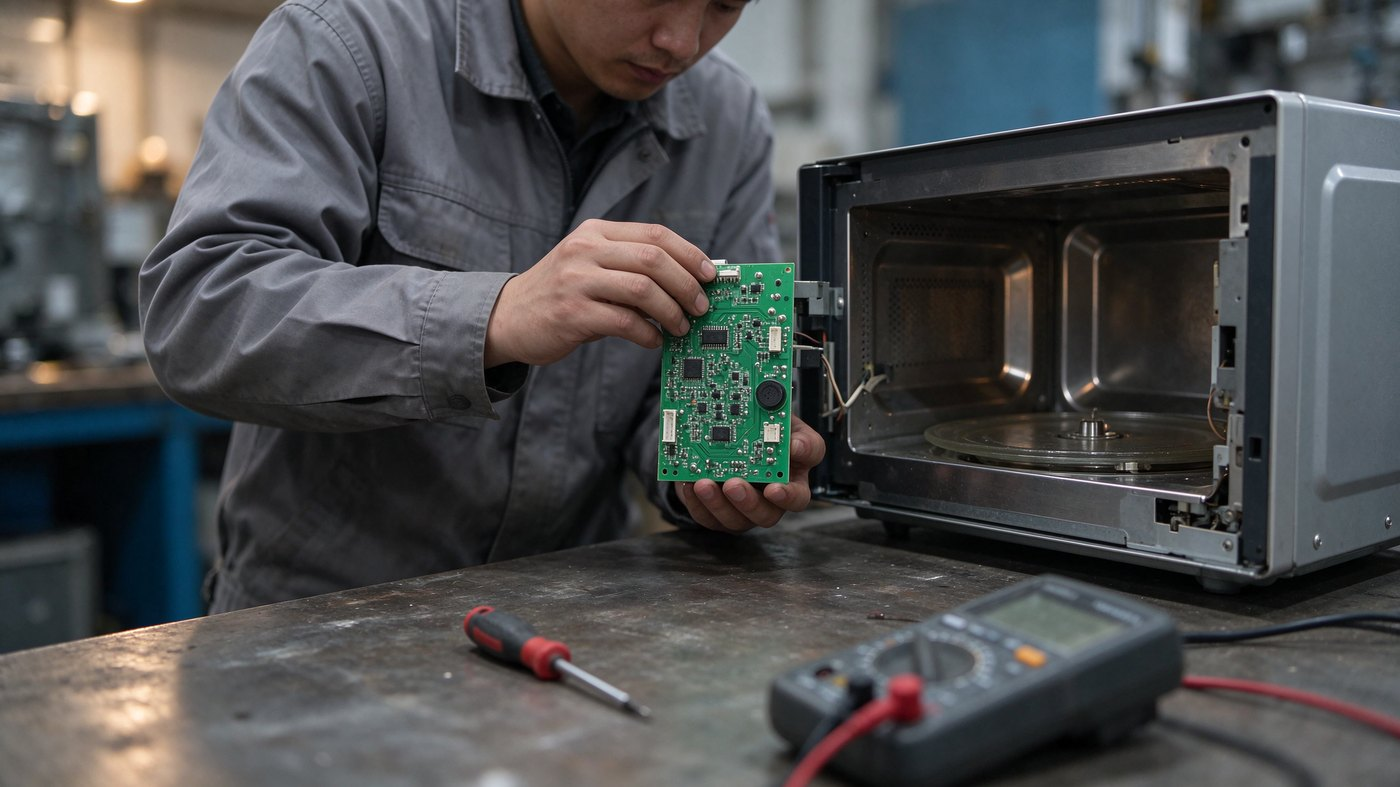
Figure 1. Before ordering, put the old board next to the new one and compare connectors, screw holes and the high-voltage side.
1. Put the old board on the bench first
Online listings all look alike; the board in your hand does not lie. Before ordering, write down three things: the board number printed on the PCB, the oven model it came out of, and how many connectors it carries. Then lay the old board beside a photo of the new one and compare four details — connector positions, mounting-hole spacing, relay size, and the layout of the high-voltage side. A board can share a model number and still differ in harness pinout between production years. Photograph the wiring before you unplug it; fifteen seconds with a phone saves an hour of guesswork.
2. Judge the board, not the listing photo
A reliable microwave oven PCB starts with the substrate. Fire-retardant glass-fibre board (FR-4) feels stiff and rings slightly when tapped; cheap paper-based board flexes and delaminates at the corners. Silkscreen should be sharp enough to read polarity marks and batch numbers without a loupe. Then look at the joints: machine soldering on a good board is even and bright, with no cracks or cold joints around the transformer terminals and relays, where heat cycling is hardest. Finally, check the parts. Capacitors, relays and fuses should carry identifiable brand markings, and the high-voltage side should show clear creepage distance between traces. Copper that runs close enough to arc will arc — usually at the worst possible moment.
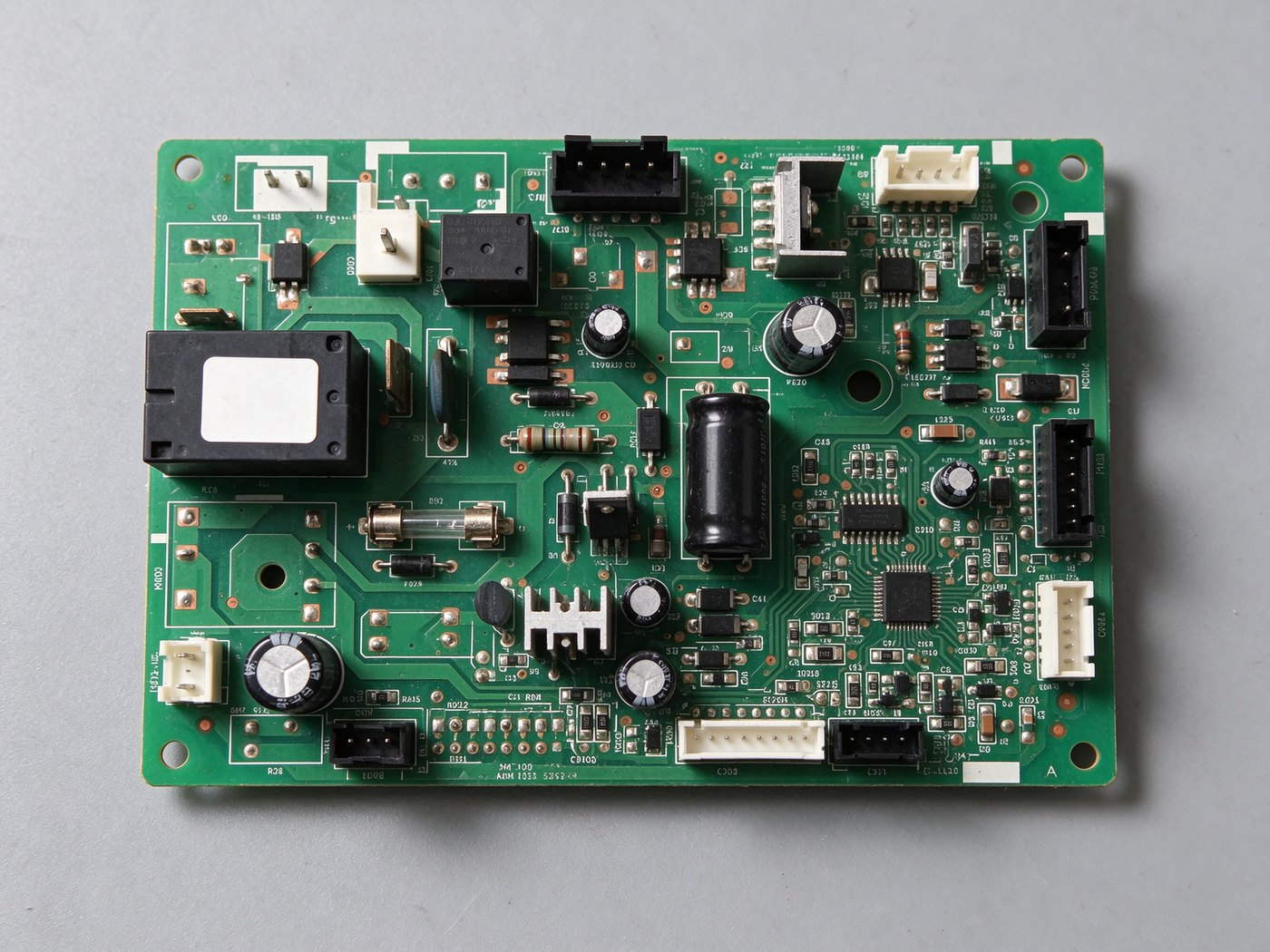 Figure 2. Heat cycling shows first at the transformer terminals and relay pins; cold joints there cause most repeat failures.
3. Compatibility beats the word “universal”
Microwave oven PCB boards are not universal, whatever the listing says. The board has to match the magnetron drive logic, the door interlock circuit, the timer and the display protocol. Get the high-voltage parameters slightly wrong and the symptoms stay subtle: heating that feels weak, a display that resets, a fuse that blows after a week. Get them badly wrong and the board can flash over and take the magnetron with it. Ask the supplier which oven models the board fits, and which ones it does not. A factory that knows its product answers with a list; a trader answers with “it fits everything”.
4. How to tell a factory from a trader
Price is the last thing to compare, not the first. Four points separate a manufacturer from a reseller. Direct supply: a factory runs its own SMT and assembly lines, so every microwave oven PCB you receive came off a line it controls, not a market stall. Testing: each unit should be powered and function-checked before packing, and production batches should pass an aging run rather than a quick switch-on. Traceability: batch records should let the supplier trace a failure back to a production date and a component lot — something a trader cannot produce. Paperwork and backup: ISO 9001 quality management, CE and FCC documentation for export, OEM/ODM support for private-label repair brands, and a one-stop service team that answers within a day rather than a week.
 Figure 3. Batch-level function testing and aging, not a single switch-on, is what keeps field returns low.
5. The first ten minutes after installation
Most comebacks are installation errors, not board failures. Switch off, unplug, and discharge the high-voltage capacitor before you touch anything — it holds enough charge to hurt. Note the harness routing, seat the new connectors fully, and tighten the earth screw; a loose earth causes more ghost faults than any single component. Keep the high-voltage leads clear of the low-voltage harness. Then close the door and test: the turntable should turn, the display should hold steady, and heating should start within a few seconds. Uneven heating or a jumping display at this stage is usually a connector or a harness, so check the wiring before blaming the board.
6. What to send the supplier
Three habits cover most of the risk: read the old board, check the substrate and the joints, and buy from a supplier that can show you batch records. Do that, and a replacement microwave oven PCB will often outlast the rest of the oven. We have been building appliance boards in Chengdu since 2005, ship to customers in more than 30 countries, and keep a compatibility list for the boards we supply. Before you order, send us the board number and a photo of the harness.
Post time: Nov-21-2026


