

A projector is a display device that projects image or video signals onto flat surfaces such as screens or walls using optical principles. Its core function is to enlarge images for shared viewing among multiple people or to deliver a large-screen visual experience. It receives signals from devices like computers, mobile phones, TV boxes, and USB drives, and through the collaboration of internal light sources, lenses, and image processing modules, projects the images. The projection size can be adjusted according to distance and lens parameters, ranging from tens of inches to over a hundred inches, making it flexible for different usage scenarios.
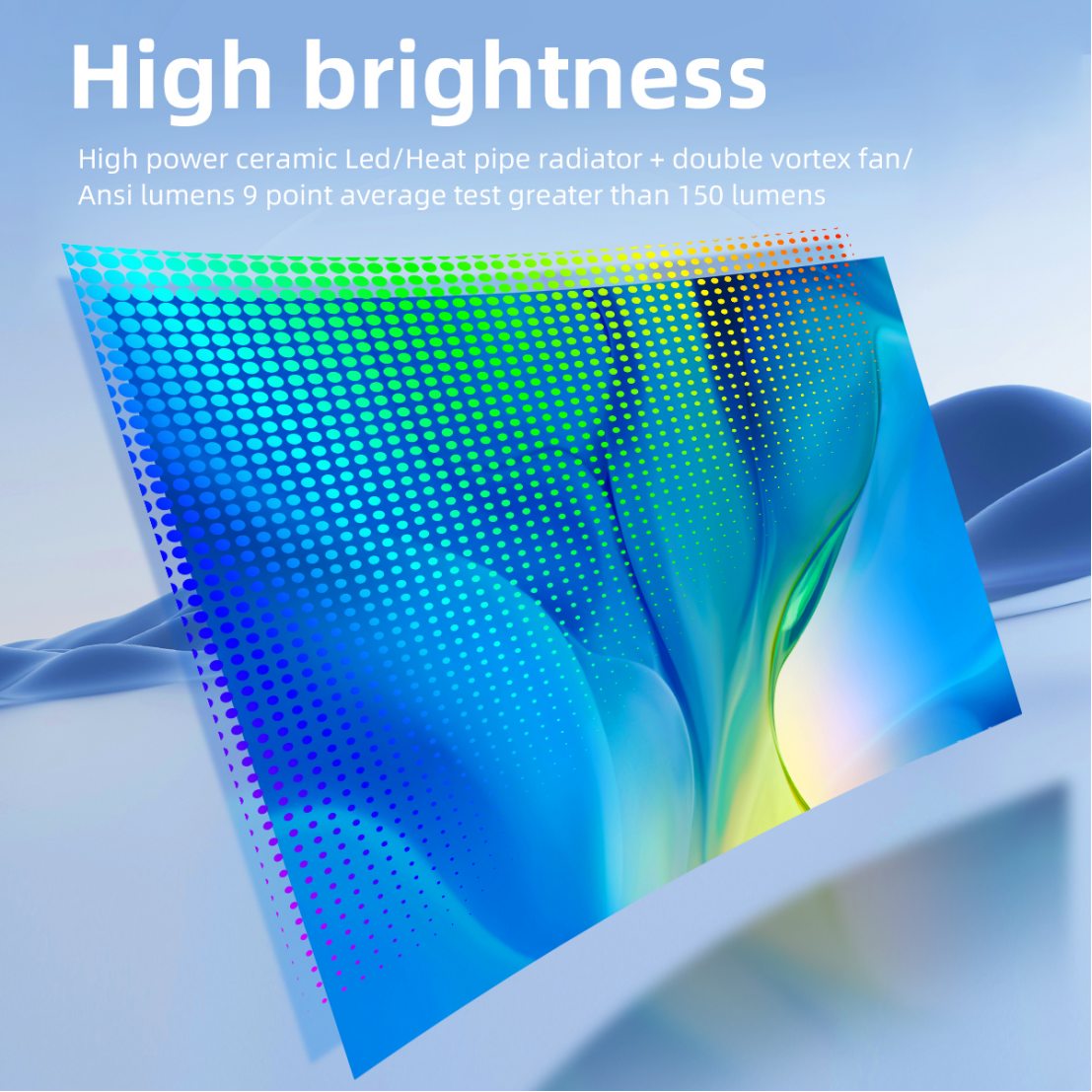
The core components of a projector include a light source (halogen lamps in the early days, now mainly LED lamps and laser light sources), an imaging chip (such as LCD, DLP, or LCoS chips), a lens, and a signal processing unit. According to application scenarios, it can be divided into home projectors (suitable for movie watching and gaming), business projectors (used for conference presentations and training), educational projectors (adapted for classroom teaching, emphasizing brightness and stability), and engineering projectors (used for large venues and outdoor displays, with ultra-high brightness and a large throw ratio).
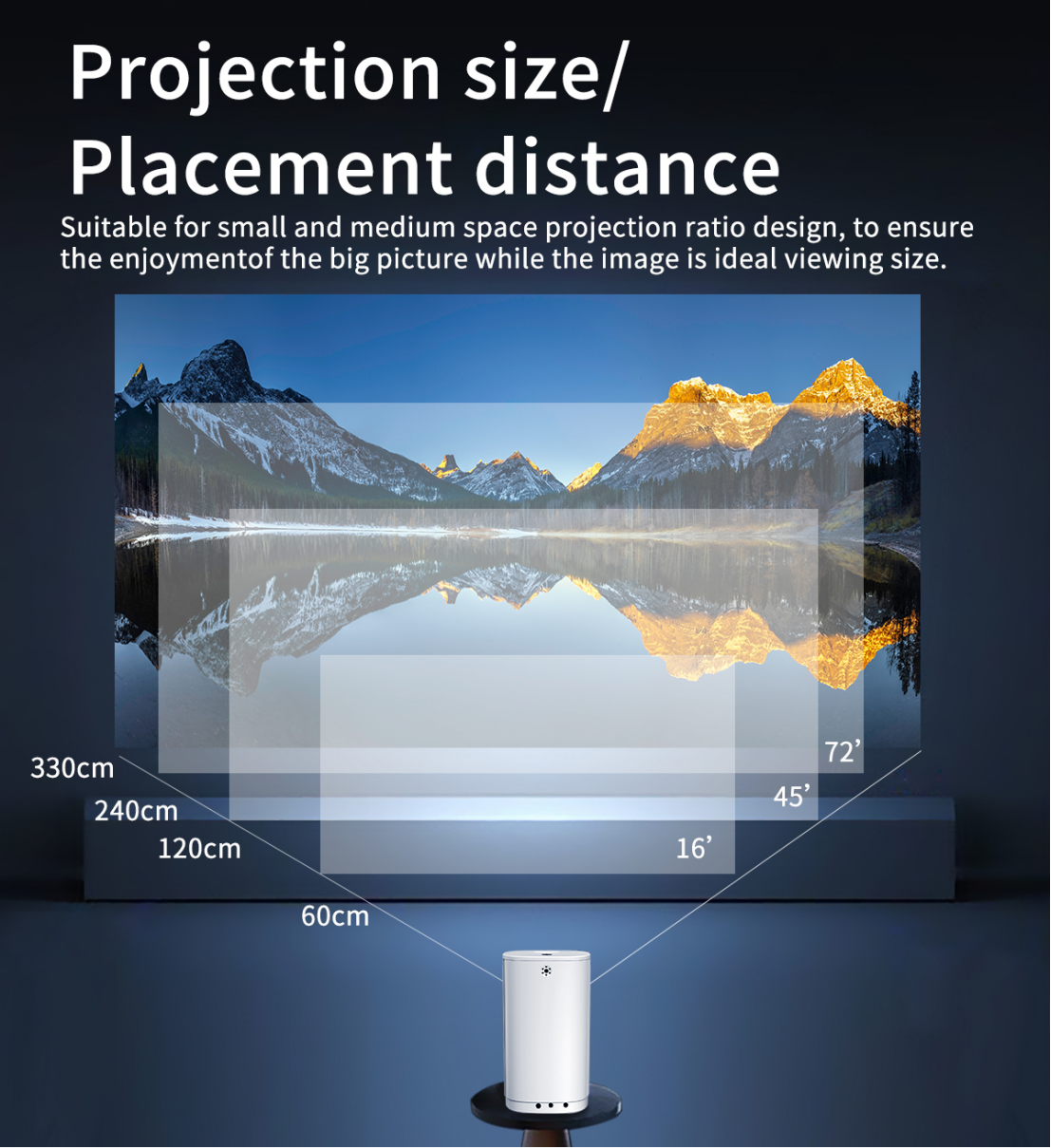
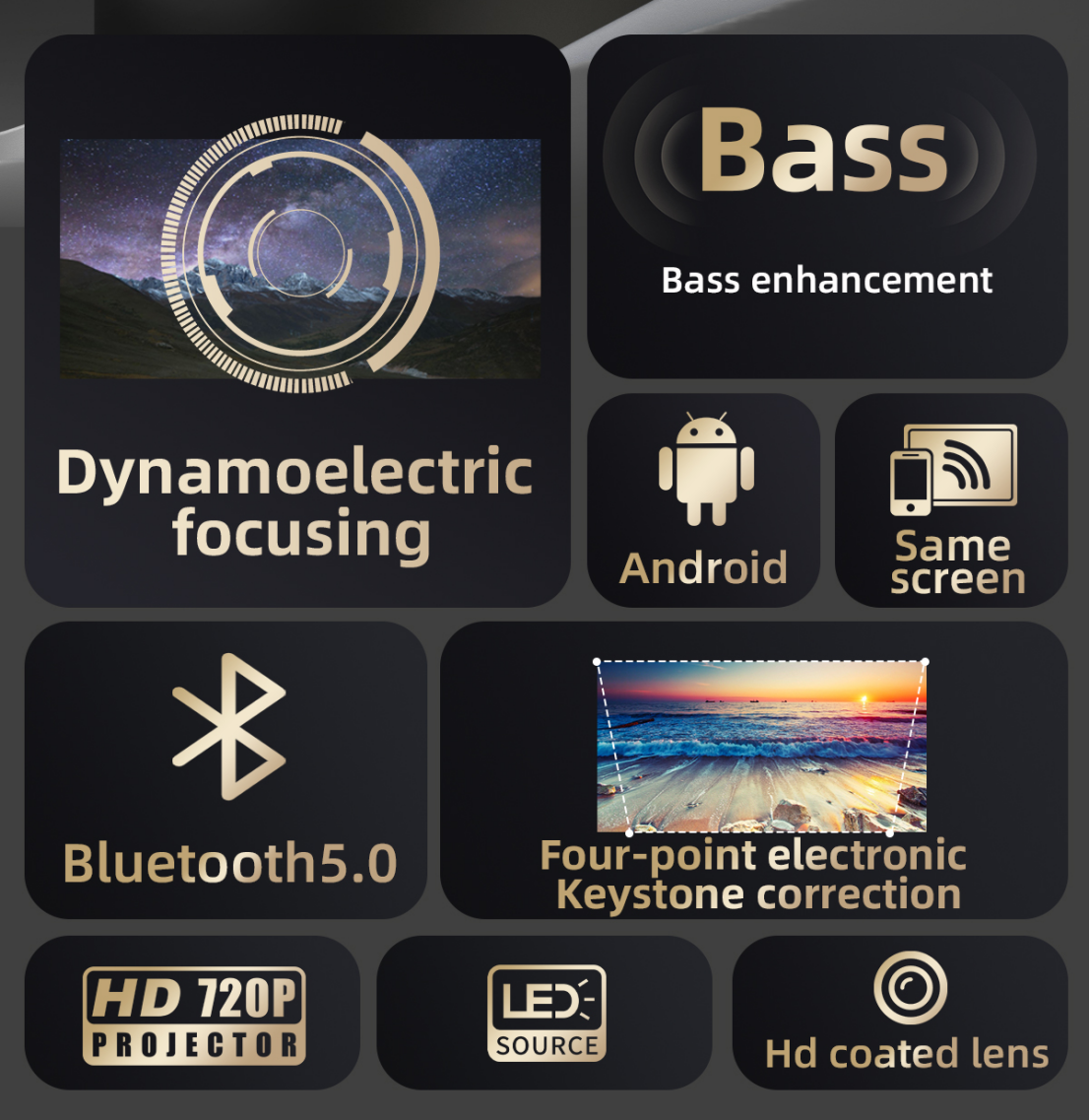
Its advantages lie in portability (some home and business models are compact and easy to carry), high space utilization (no need to occupy fixed wall space, allowing flexible movement), and a lower cost for a large-screen experience compared to TVs of the same size. Additionally, many projectors support functions such as keystone correction, auto-focus, and intelligent voice control for convenient operation. With technological advancements, the brightness, resolution (4K has become mainstream), and contrast of projectors have continuously improved, enabling clear image display even in bright environments. It has become an essential device in home entertainment, office collaboration, and education and training.
Post time: Nov-28-2025


